


In the 50s of the last century, the news spread around the world that the inhabitants of the Mediterranean live longer and suffer less from diabetes, cardiovascular diseases and excess weight.Scientists came to this conclusion after many years of research.The secret is in a special diet, called the "Mediterranean diet".
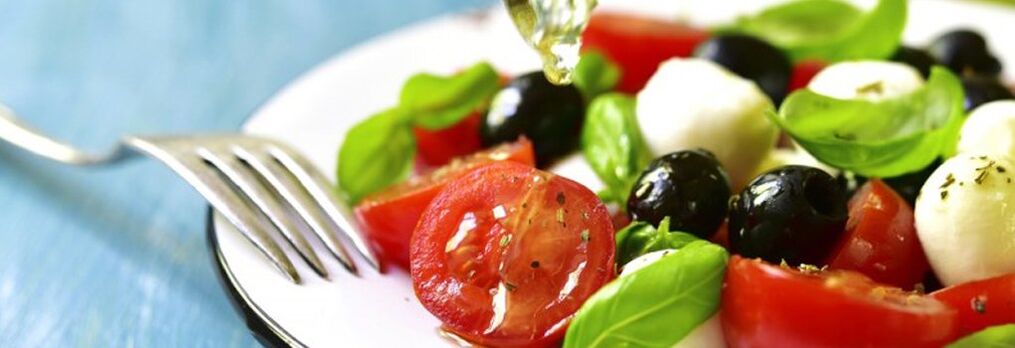
Characteristics of the Mediterranean diet
The term "Mediterranean diet" refers to a style of eating, not a diet in the traditional sense of the word.The inhabitants of the Mediterranean eat a lot, rarely restrict themselves to fats and carbohydrates, and drink wine almost every day.At the same time, experts believe that the Mediterranean diet is the "golden standard of nutrition".Unlike most methods, the Mediterranean weight loss system has no medical contraindications.And her "permissiveness" does not allow her to break down in the process of losing weight.
The Mediterranean diet has been recognized by UNESCO as a cultural heritage of humanity.
The specialty of the Mediterranean diet is a balanced combination of proteins, fats and carbohydrates (BJU).Thanks to this, the metabolism is normalized.The Mediterranean diet quickly gained popularity, because such a nutritional system has a minimum of restrictions and is optimal for people who lead a modern lifestyle.
Advantages of the Mediterranean diet
This way of eating brings maximum benefits not only for weight loss, but also for health in general.This is proven not only by reviews, but also by numerous medical studies.
Mediterranean Diet:
- reduces the risk of developing cardiovascular diseases, diabetes, hypertension, Alzheimer's disease and cancer, especially colon and breast cancer;
- prevents accumulation of excess weight;
- rich in minerals, vitamins and antioxidants;
- improves quality and lifespan;
- slows down the aging process;
- lowers cholesterol levels;
- has a beneficial effect on the skin.
Diet rules
The main condition is that there are no semi-finished products and so-called fast food (shawarma, hamburgers).The menu should consist mainly of fresh and natural products.Among the mandatory foods on the table are herbs, vegetables, olive oil and fish.
The ratio of BJU in the Mediterranean diet goes against many popular diets.Therefore, the daily menu should consist of:
- 10% from protein - seafood, eggs, cheeses, meat;
- 30% of fat - fish, olive oil;
- 60% from carbohydrates - fruits, vegetables, bread, pasta, cereals.
It is important not to violate the BZHU ratio.For breakfast, it is advisable to choose foods that contain carbohydrates, but dinner should be rich in protein and contain a large amount of fresh or stewed vegetables.Bread can be consumed during the day, but it is best in the morning and only in moderate quantities.
Meals should be divided: it is important to eat often (5-6 times) and in small portions.This will speed up your metabolism and your body will process food into energy instead of storing it in reserve.

Every day you must drink at least 6 glasses of water, preferably still.Tea and coffee are allowed, but only without sugar.It is allowed to drink dry red wine, no more than two glasses a day.
What can you eat on the Mediterranean diet?
The basis of the Mediterranean diet is fresh vegetables.They should be present in the diet every day.Nutritionists recommend that you include eggplants, zucchini, peppers and tomatoes in your menu.The consumption of beets and potatoes should be kept to a minimum because these root vegetables have a high glycemic index.Diabetics are advised to exclude them completely.
The central place in the Mediterranean diet is occupied by complex carbohydrates - pasta, bread, rice and other grains.It is recommended to soak the latter one day before cooking.
Red meat is very rare in Mediterranean cuisine, and it is predominantly lamb.
The Mediterranean diet requires the mandatory inclusion of fish and seafood in the diet.It is recommended to consume them fresh.Both red and white fish are allowed.Preference is given to trout, salmon, mackerel and herring.These fatty varieties are rich in omega-3 fatty acids.
The Mediterranean diet includes the inclusion of dairy products, mainly cheeses and yogurt.The former contain a lot of protein.Yogurts should only be natural, without dyes.
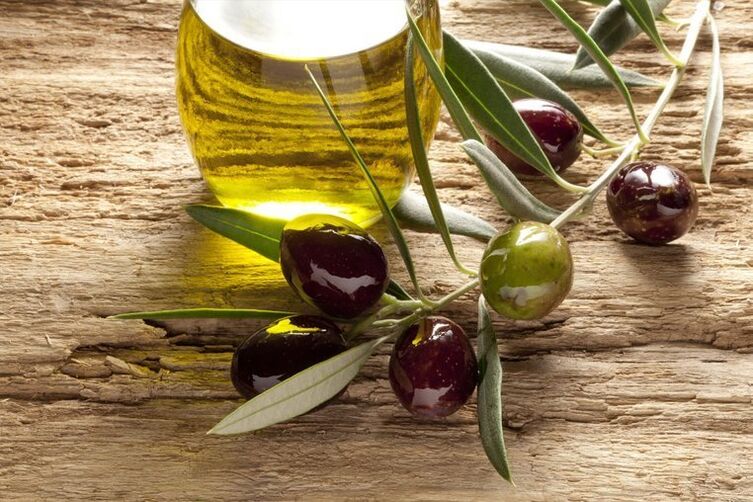
The lion's share of Mediterranean dishes are prepared using olive oil.It acts as the main source of fat in the diet.The menu also includes olives in various combinations and options - as a separate delicacy and as a decoration for salads, pasta and cold appetizers.
Olives and oil are rich in healthy unsaturated fats that protect against heart and vascular diseases.They also contain antioxidants that help maintain youth and beauty.
Herbs and spices play a special role in Mediterranean cuisine.They are added to almost every dish.Oregano, oregano, basil, rosemary, cumin - the choice is quite large.In some cases, spices can replace salt.
Sample menu for breakfast, lunch and dinner
In order to make it easier to create a menu for every day, nutritionists have put together a Mediterranean-style food pyramid, based on which you can easily choose products for the week or even the month.To follow this healthy diet exactly, you need to live somewhere in the Mediterranean.For this purpose, there are adapted versions of the Mediterranean diet, in which some products are replaced by more affordable analogues.So, you can safely replace olives with walnuts, sunflower and pumpkin seeds, and red fish with flax seeds or cheaper mackerel and herring.
Breakfast
It is recommended to eat carbohydrates in the morning, so a good option for breakfast would be porridge that can be supplemented with fruit, berries or honey, as well as pasta with sauce, steamed rice and omelette.Snacks are allowed between breakfast and lunch.Fruit or nuts are suitable for this.
Lunch
For lunch, you can certainly afford soup - vegetables, fish or meat, pasta, salad.The latter must be seasoned with butter or cream;it is advisable to exclude mayonnaise.
Dinner
The evening meal should consist of protein food.For dinner, you can bake or boil fish, stew green beans or make chicken cutlets.An easier option is fresh cheese and kefir.
The choice of products is quite diverse, but you have to know when to stop, otherwise the Mediterranean diet will not work.Therefore, the average calorie content of the daily diet should be approximately 1100 calories.If you don't want to count calories or prepare meals, you can buy special food sets developed on the basis of the Mediterranean diet.